

Product · 8 min read
Why I started VKIT — the tool I needed as a creator
I did not start VKIT because creators needed another dashboard. I started it after living the messy, expensive reality of building an audience myself.

From the outside, people see the post, the reel, the subscriber count and the finished product. Behind the scenes, I was moving between different tools just to keep my work together. One app for publishing. Another for links. Another for messages. Another for ideas. More subscriptions, more tabs and more things that could quietly stop working.
That frustration became VKIT. This is the honest version of why I started it: not as a software idea looking for a market, but as a creator problem I had already been living for years.
- 01I was a creator before I was a software founder
- 02The starting point was right in front of us
- 03We decided the product had to follow the creator’s day
I was a creator before I was a software founder
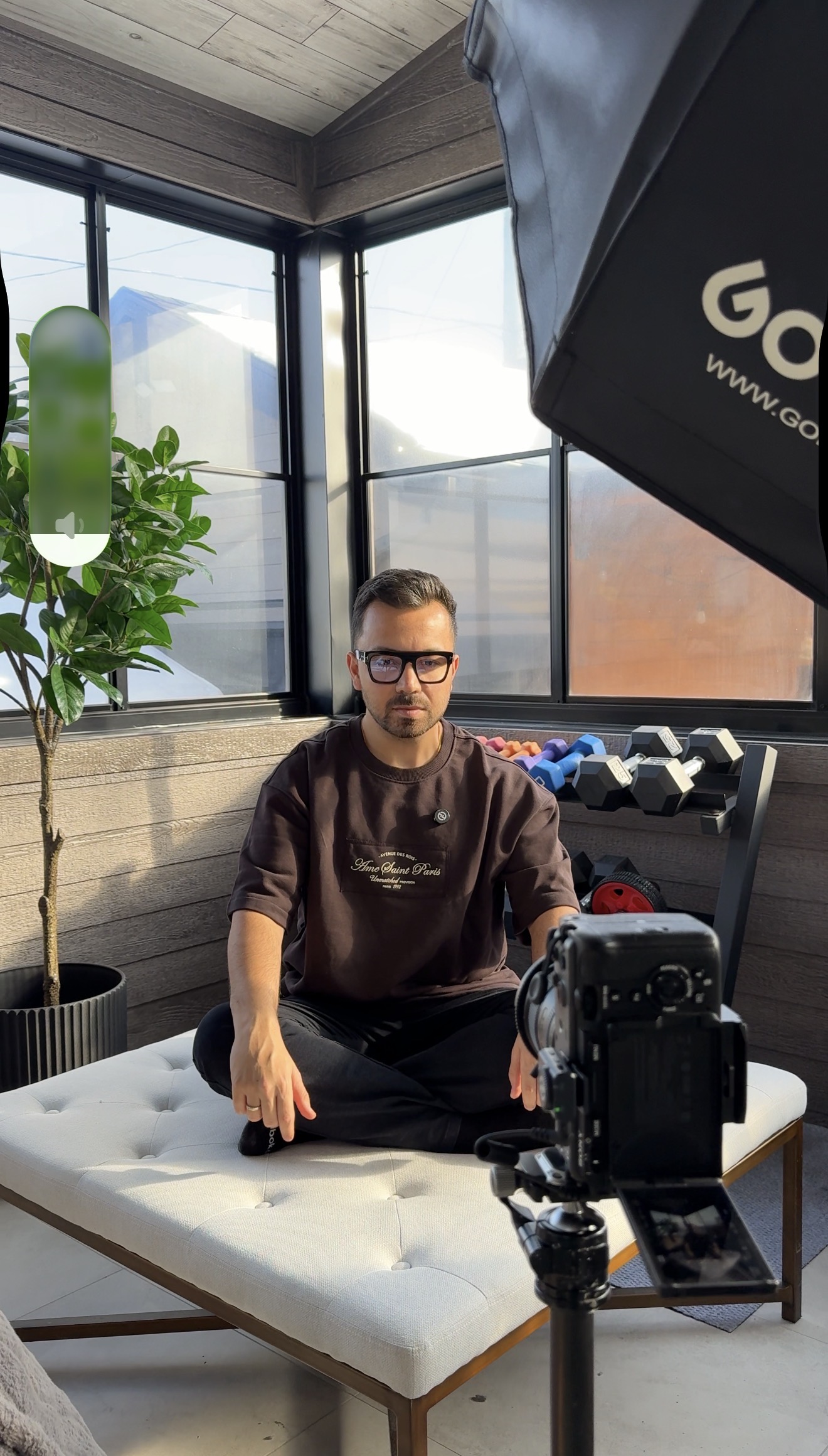
My path into technology was never straight. I failed high school. At fifteen, after an online account was hacked, I became obsessed with one question: how does this actually work? I took an ethical hacking course, found something I was good at, and kept following that curiosity. By nineteen I was teaching cyber safety workshops and helping with cybercrime cases in Punjab.
Later, I moved to Canada, studied information security and built a career in technology. But the part of my life that taught me the most about creators happened in public. I started making videos, learning how to explain complicated things simply, and slowly built an audience. There was no magic launch. There were months when the work produced almost no income, and years of learning what made someone stop, watch, trust and come back.
That experience matters because VKIT was not imagined from a spreadsheet. I know what it feels like to finish filming late, still need a caption, remember that a link is outdated, find unanswered comments and wonder which tool holds the next part of the workflow.
The audience only sees the surface.
A thirty-second reel can sit on top of hours of planning, editing, distribution, replies and admin that never appear on camera.
Every extra tool creates another handoff.
The problem is not opening a tab. It is remembering which tab owns the idea, the link, the reply or the next action.
Growth makes the mess louder.
The bigger the audience becomes, the more expensive a disconnected workflow feels in time, missed conversations and subscriptions.
The starting point was right in front of us
Six months before VKIT started taking shape, we were spending money trying to understand what to build. We explored ideas, challenged assumptions and kept looking for the big opportunity. The answer was much less dramatic: too many apps and too much work just keeping everything together.
We spoke with creators, small businesses and agencies. Their work looked different, but the headache sounded familiar. Content lived in one place. Conversations lived somewhere else. The link in bio became a forgotten list. Brand information had to be explained again and again. Useful audience signals disappeared inside platform dashboards.
The next step became clearer every time we took one. We stopped trying to invent a problem and started connecting the work people were already doing. That is still the product test we use: does this remove a handoff, make the next action clearer or help a creator respond while the moment is still warm?
I did not want another tool that gives creators more software to manage. I wanted one place that makes the work feel lighter.
We decided the product had to follow the creator’s day
Creators do not think in software categories. They think: I have an idea. I need to make it clear. I need to publish it. Someone replied. I promised them something. Now I need to deliver it. That sequence became more useful to us than a conventional feature list.
It is why VKIT brings creation, publishing, Instagram AutoDM, pages, forms and brand context into one creator system. The pieces should pass work to one another. A strong post can start a conversation. The conversation can deliver a resource. The resource can lead to a page that feels like the same person and the same promise.
If you want to see the mechanism behind that first conversation, our Instagram AutoDM explainer shows how a comment becomes a useful private reply. If your current problem is the destination, the link in bio field guide shows how to make the next click obvious.
Create with context.
Your ideas, voice and brand should not reset every time you open a new workflow.
Publish without rebuilding.
One finished idea should be able to move across the places where your audience already follows you.
Turn attention into a next step.
Comments, DMs, links and forms should continue the story instead of becoming separate projects.
The partnership made the idea real
I bring the ideas, the creator frustration and the constant list of ways the product could feel better. My co-founder Utkarsh turns that into an actual product. He handles the engineering with a kind of calm precision that balances how quickly my brain moves.
That split is one of the reasons VKIT exists. A creator-led product still has to be technically dependable. It has to use official platform connections, handle permissions responsibly and behave predictably when a post gets busy. Good intentions do not deliver a message; good systems do.
Becoming a Meta Tech Provider was an important marker for us because it reflected the kind of company we wanted to build: one prepared to work through official infrastructure and the responsibilities that come with it. It is not a shortcut or a badge that replaces trust. It is part of doing the hard, unglamorous work properly.
We are starting with the people closest to the problem
VKIT begins with creators and small businesses because that is where the pain is most personal. A larger team can assign someone to every channel. A creator is often the strategist, writer, editor, publisher, support desk and salesperson in the same afternoon.
That does not mean the vision ends there. Agencies and growing teams need the same connected system at a different scale. But the product has to earn the right to become broader by first being excellent for the person doing the work alone.
Support is part of that promise. We do not want someone to hit a confusing screen and receive a generic paragraph that sends them in circles. The people building VKIT should stay close enough to users to understand what failed, what was unclear and what the product needs to do next.
The goal is not more automation. It is more room to create
Automation is useful when it protects the human part of the work. It can answer the person who commented while the post is still fresh. It can move a finished idea to the right channel. It can keep a promise you already made. It should never make your audience feel like a number or make you sound like somebody else.
I want VKIT to feel like putting down a bag you forgot you were carrying. Fewer repetitive steps. Fewer subscriptions bought for one narrow feature. Fewer good ideas lost between tools. More time to make the work only you can make.
We are still building, listening and correcting. I am not interested in pretending the journey was obvious from day one. It was not. But the direction now is clear: give creators a connected place to create, publish, respond and grow, without making them become software operators first.
The next step got clearer every time we took one. That is how VKIT started, and it is still how we are building it.
Frequently asked questions
Who founded VKIT?
VKIT was founded by Parul Khanna and Utkarsh Varma. Parul leads the creator, brand and growth perspective, while Utkarsh leads product engineering and turns the workflow ideas into dependable software.
Why is VKIT described as a creator-led platform?
VKIT is shaped by the real workflow of building and serving an audience: planning content, publishing it, answering interest and giving people a useful destination. Its product decisions begin with that lived creator experience.
What does VKIT help creators do?
VKIT is being built as a connected creator suite for content creation, publishing, Instagram AutoDM, link pages, forms and brand context, so those tasks can work together instead of living in separate subscriptions.
Build the creator system I wish I had.
If your best work is buried under tabs, handoffs and repetitive admin, you are exactly who we are building for. Start free, try the workflow and tell us where it still feels heavier than it should.
Put it into practice